
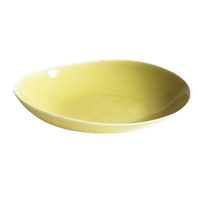
 Våg
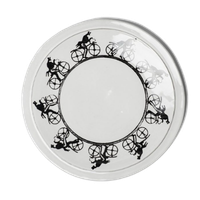 Mulet
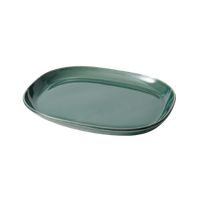 Torg
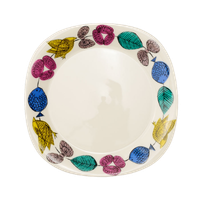 Cirkus
 Frost
 Fajans
 bitte
 Glänta
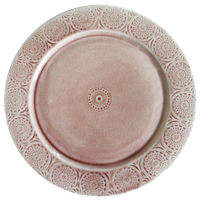 Ståmp
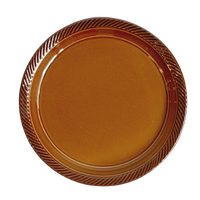 blur
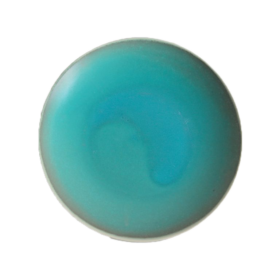 Terre
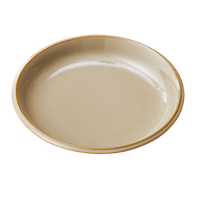 RIMs
 Root
 It
 Chroma
Events & News, Gifts, Staff favourites
Autumn Layers from nitorito

2023.10.3(tue)-2023.10.22(sun)
POTPURRI Kiyosumi-Shirakawa store
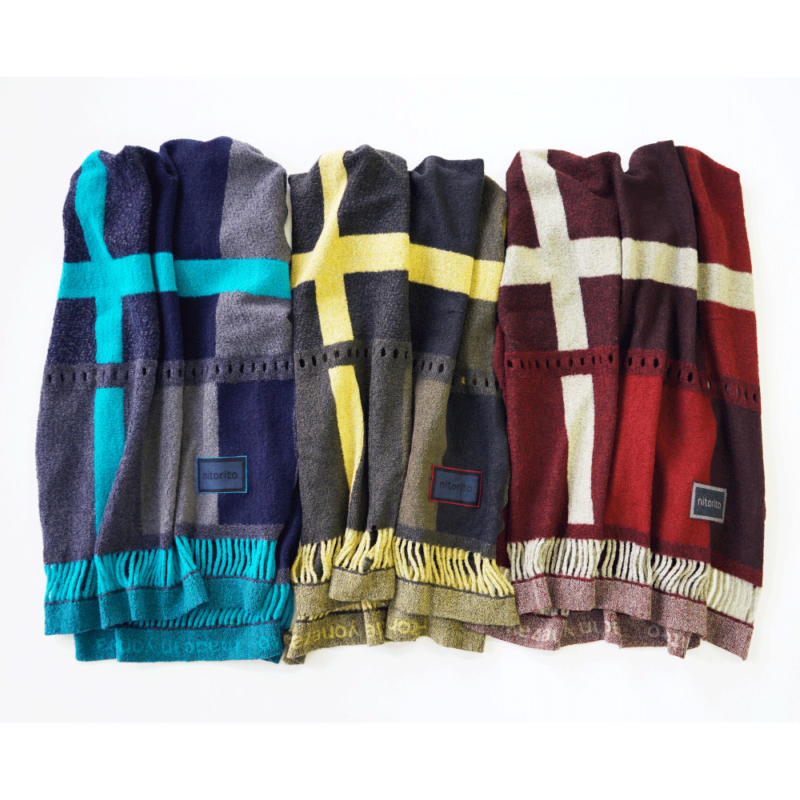
Warm scarves from Yonezawa
Inspired by the winter landscapes, rice fields and natural surroundings of Yonezawa, Yamagata, these designs and colors
bring an accent to the darker tones of autumn and winter clothing.
Part of nitorito's appeal is the opportunity to make a scarf your own.
Certain styles are designed so that the fringe can be trimmed or designated arm openings can be cut. Follow the instructions for the particular style to turn the scarf into a poncho-like layer.
For walks and travel, as a light blanket at home, or as a gift for someone special.
During the exhibition, the scarves were available to try on in the shop and experience in person.
Featured items
Scarves
Original textiles and colors that are not tied closely to trends are intended to be enjoyed for years.
The fabric combines cotton and wool, made using a circular-knitting technique.
Its distinctive feel brings together cotton's softness and wool's warmth.
A fulling process uses wool's ability to felt, helping the fabric resist fraying. Handle the finished edges gently.
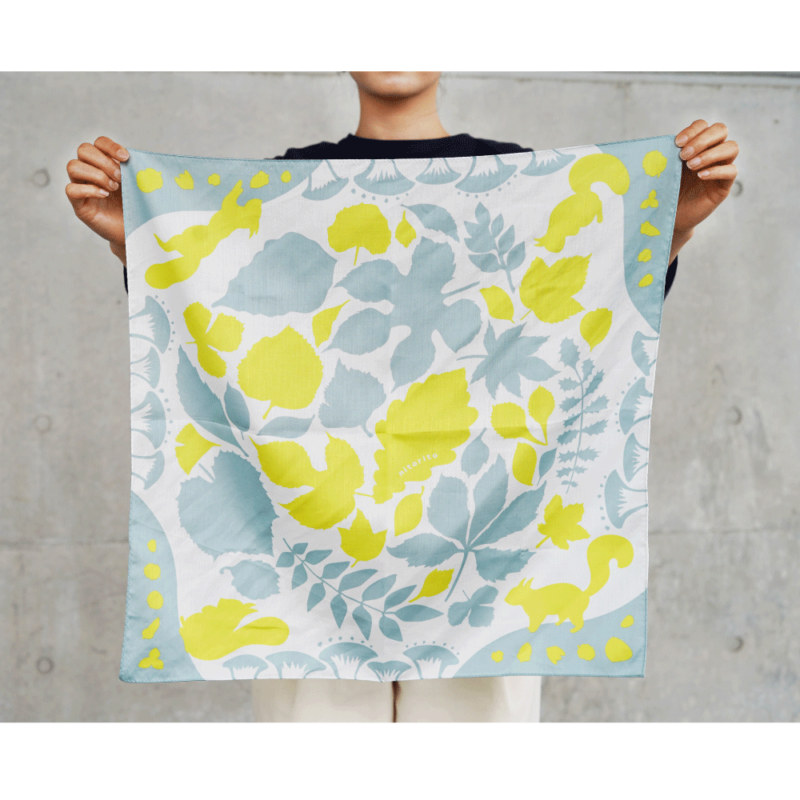
Handkerchiefs
Drawn specifically for the handkerchiefs, the designs show fine details that are difficult to express in knitted scarves, bringing another side of nitorito's world to life.
The patterns are printed by hand.
Working on each piece individually creates overlapping colors and a warmth particular to the process.
Wood-shaving wreaths
A collaboration with
UPCYCLE HOKKAIDO, based in Hokkaido.
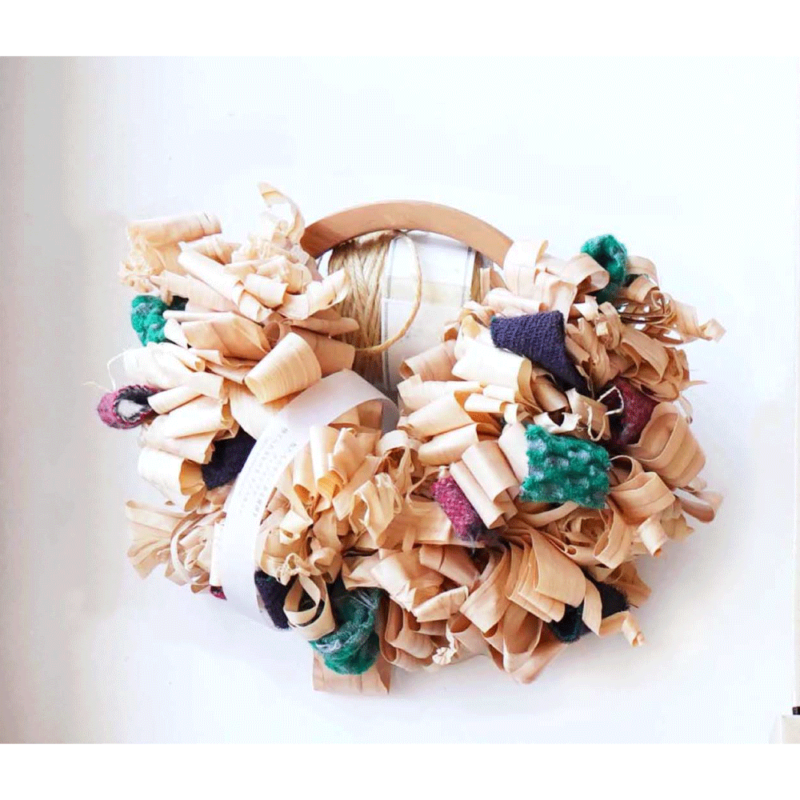
Shavings from different woods are gathered into a soft-looking, charming wreath.
Skilled planing leaves its mark on both the finished wood and the shavings. Textile production has a similar story: this project invites us to notice the care and technique that also remain in unused materials.
Leftover nitorito yarns and fabrics are woven in at random, making every colorful wreath unique.
Brand introduction
nitorito
The designer, Saito, was born in Kanagawa.
Wanting to work where things are made, Saito visited textile-producing regions and weaving mills around Japan. The journey led to Yonezawa and a textile manufacturer founded in 1877:
Seibun Textile.
The beauty of Yonezawa's natural surroundings helped inspire the decision to move there.
The name nitorito combines knit with ori, the Japanese word for weaving.
The name is intended to suggest knitting and weaving while feeling approachable even to people unfamiliar with textiles.