 Våg
 Mulet
 Torg
 Cirkus
 Frost
 Fajans
 bitte
 Glänta
 Ståmp
 blur
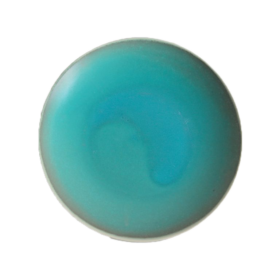 Terre
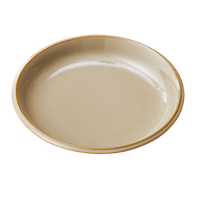 RIMs
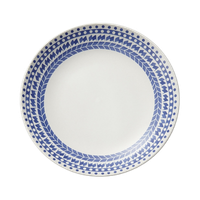 Root
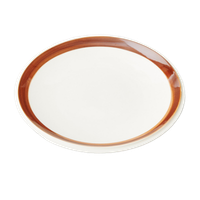 It
 Chroma
BRAND, SELECT, Staff favourites, About Tableware, Journal
Beautifully Practical Kitchen Bowls: conte Makanai
A mixing bowl is a kitchen essential. What kind do you use? An inexpensive plastic bowl is often the easiest place to start.
A well-designed bowl can make preparation easier, from mixing ingredients to draining them neatly.
Here we introduce one of our favorites: the Makanai Bowl from conte.
Contents
1. Comparing bowl materials
2. What we like about conte bowls
1. Quality stainless steel
2. An unrolled rim that is easy to clean
3. A beautiful, practical shape
4. Matching trays and strainers for more ways to prepare food
3. The craftsmanship behind conte
4. A final thought

1. Comparing bowl materials
With so many bowls to choose from, what makes one pleasant and practical to cook with?
First, let us look at four familiar materials: plastic, glass, enamel and stainless steel.

Plastic bowls
Advantages: Usually affordable, available in many designs, lightweight enough to hang up, and less likely to break if knocked.
Limitations: Plastic transfers heat poorly and can retain grease, stains and odors or develop scratches. Use for hot-water baths or microwaving only if the product is specifically rated for it.

Glass bowls
Advantages: Glass is easy to clean, resists scratches and lets you see the ingredients. Its weight helps keep it steady. Some heat-resistant glass is microwave- or oven-safe; check the product's stated uses.
Limitations: Glass can be heavy to wash and can break. Deep, tall designs are less common.

Enamel bowls
Advantages: The smooth enamel surface is easy to clean and comes in attractive designs. Some enamel bowls can be heated, but direct-flame and oven use must be confirmed for the individual product.
Limitations: Not microwave-safe. Abrasive tools can damage the enamel, and exposed metal may rust if the coating chips. Follow the maker's utensil and care instructions.

Stainless steel bowls
Advantages: Stainless steel is easy to clean, resists odors, rust and breakage, and comes in many sizes. Its relatively light weight makes it practical to handle and store.
Limitations: Not suitable for the microwave. Do not use in the oven unless the manufacturer specifically permits it.
Each material has its own character, and personal preference matters too. Clean pouring, resistance to odors and suitable heat performance are useful things to consider.
Stainless steel is a familiar choice in professional kitchens for its versatility.
Stainless steel bowls vary in grade, size, depth and shape. The conte Makanai Bowl stands out for the thoughtful details that make it comfortable to use.

2. What we like about conte bowls
When choosing products for POTPURRI, we consider design, practical performance, suitability of materials and careful workmanship. conte brings these qualities together beautifully.
Here are some of the details that make the conte Makanai Bowl so useful.

Feature 1: Quality stainless steel
The bowls use 18-8 stainless steel, a designation referring to approximately 18% chromium and 8% nickel. It is a familiar material for quality kitchen tools.
The composition of stainless steel affects its corrosion resistance, workability and cost. The appropriate balance depends on the tool and its intended use.

Feature 2: An unrolled rim that is easy to clean
The name Makanai plays on two Japanese expressions: preparing meals and leaving an edge unrolled.
Most stainless steel bowls have an outwardly rolled rim. The conte rim is instead carefully shaped and finished without that curl.
Liquids pour cleanly from the rim, and there is no rolled seam for flour to collect in.

Feature 3: A beautiful, practical shape
The conte bowl is taller and deeper than many conventional stainless steel bowls.
Its shape is attractive, but also comfortable to hold steady and economical with both worktop and storage space.
The steel becomes thicker toward the base, giving the tall bowl a stable feel.

Feature 4: Matching trays and strainers for more ways to prepare food
The conte bowl has matching round trays and flat strainers designed to sit neatly on top.
Use the round tray to hold prepared ingredients or cover the bowl. It helps free up worktop space and is useful when storing the bowl in the refrigerator.
The flat strainer is useful for draining food or straining stock over the bowl. Paired with the tray, it can also drain tofu or hold small portions of cooked vegetables as they cool.


3. The craftsmanship behind conte
conte is made in Tsubame, Niigata Prefecture, a center of Japanese metalworking. Its distinctive unrolled rim draws on the skills of this manufacturing community.
A conventional rolled rim helps reinforce a bowl's edge. Achieving a strong, comfortable edge without that roll takes careful metalworking.
One of the techniques is metal spinning: a tool is pressed against a rotating metal blank to shape it gradually. Skilled craftspeople use this process to give the bowl its carefully controlled form.
The stable base and clean-pouring edge are the result of many stages of cutting, pressing, shaping and polishing. These small decisions and skilled processes add up to a remarkably useful tool.
Tools we reach for every day can tell us a great deal about the care of the people who make them.

4. A final thought
A bowl's pouring edge, resistance to odors and ease of handling all matter in daily cooking. Choosing one that suits the way you prepare food can make everyday tasks more enjoyable.
The conte Makanai Bowl brings together a pleasing shape, comfortable handling, compact storage and a material suited to everyday preparation.
These kitchen tools are carefully made by skilled craftspeople in Tsubame. We hope you will have a chance to try them for yourself.