
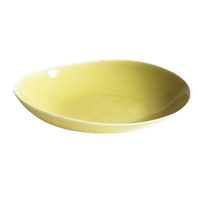
 Våg
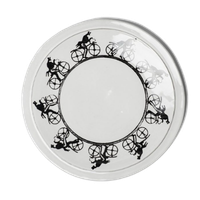 Mulet
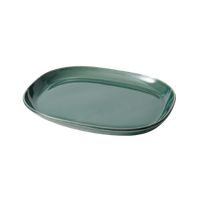 Torg
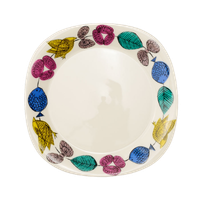 Cirkus
 Frost
 Fajans
 bitte
 Glänta
 Ståmp
 blur
 Terre
 RIMs
 Root
 It
 Chroma
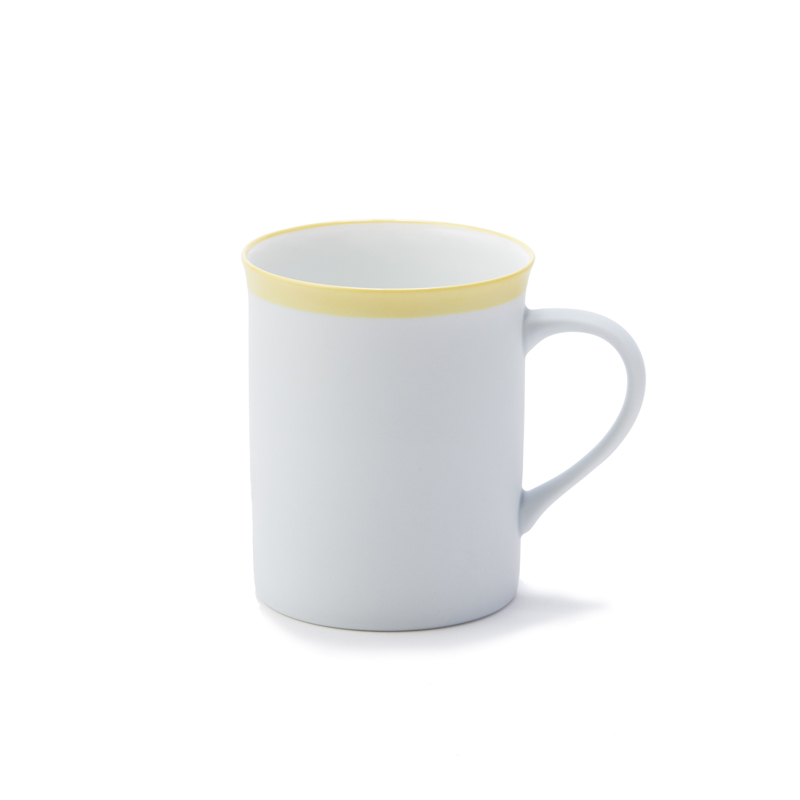


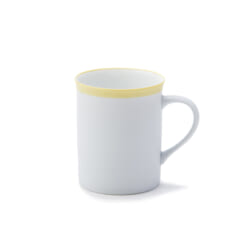


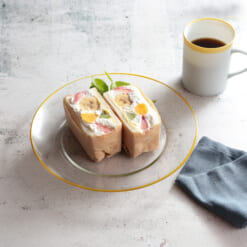
Frost Mug
JPY 3,850 (incl. tax)
A clean, upright shape with lasting appeal. Its generous capacity is convenient for café au lait or lattes.
Dimensions W103×D78×H92mm
Capacity: 350 ml (filled to the brim)
Material Porcelain
Made in Japan
Use and care
Microwave safe.
Dishwasher safe.
Do not use in the oven.
For delivery within Japan, check the shipping estimate in your cart.
Your cart shows whether your order qualifies for free shipping within Japan.
In-stock items normally ship within 7 days of order confirmation.
For bank transfers, items normally ship within 7 days of payment confirmation.
Choose an option below to check availability and dispatch information before adding it to your cart.
Frost Mug
A clean, upright shape with lasting appeal. Its generous capacity is convenient for café au lait or lattes.
Size: W103 × D78 × H92 mm
Capacity: 350 ml (filled to the brim)
Material Porcelain
Made in Japan
Use and care
Microwave safe.
Dishwasher safe.
Do not use in the oven.
Designing standards


The item we most wanted to make in the Frost series—and the first one we made.
It was the mug.
We began developing the Frost Mug as the brand reached its fifth year, with one particular aim: to give shape to our idea of an everyday standard.
At POTPURRI, there are things we value even more than a product's appearance.
Being useful as a tool. Lasting for years. And using the artisans' skills we want to preserve.
When those considerations come together, we realize there is only a little room left for purely visual design.
The Frost Mug brings together the things we value most, giving them a tangible form.
Thin and light, yet strong


Thin enough for the tea or coffee inside to show through, and light in the hand. Weight feels different to everyone, but we wanted a balance: light without feeling too light. Thinness can make a piece fragile, so for the Frost Mug we adopted a mechanical pottery wheel, a manufacturing method POTPURRI had not used before.
A mechanical pottery wheel is an automatic forming machine commonly used in mass production.
We had not been particularly fond of this manufacturing method. Making many identical pieces through machine settings had felt somewhat impersonal to us.
The advantage of this method is that shaping by stretching firm clay creates a body that is strong even when thin. Firing it densely at 1,330°C completes the process.
A little more grip

Sandblasting the outside gives the mug a soft matte texture. It is not completely slip-resistant, but it offers a little more grip than a glossy glaze. The inside, by contrast, is smooth.
It is not dramatically easier to wash, but we have made dirt a little easier to remove.
What is the right capacity? An enduring question


Mug size, ease of holding, weight, and what you will drink. Who will use it, and when? All these considerations circle in our minds, and each matters.
That was its capacity.
There is no single right answer; everyone has their own, and this may simply be ours.
250ml
This is the answer we arrived at with the Frost Mug.
On a busy weekday morning, a leisurely weekend afternoon, or while relaxing together after dinner, 250 ml is the serving amount we recommend for a mug—even if it feels a little more or less than you prefer.
Filling the Frost Mug about three-quarters full feels just right.
Pairing popular colors

Among POTPURRI's many gift sets, the pair of Frost Mugs is especially popular. The pale pink has a gray rim accent, making it a color we would also like men to enjoy. The refreshing green is a lovely accent even for women who usually prefer monochrome colors.
Frost takes its name from the Swedish word for frost


Frost has a gently textured surface. The collection followed Våg, first made in 2012, five years later. It grew from a wish to make dependable porcelain for everyday use.
Porcelain does not absorb water and stays strong even when shaped into thin walls.
The starting points were practical: pieces should be easy to hold and serve from, and should stack well.
Keeping the walls thin through firing took considerable work.
Colour and texture posed a separate challenge.
The makers used different colours inside and out, aiming for the look of a thin layer of ice.
Glazes with different expansion rates can craze or crack when applied to opposite sides.
The pieces still had to stand up to everyday use.
The makers fired glazes with matching expansion rates on both sides, then applied the contrasting surface texture by sandblasting.
The porcelain is fired at 1,330°C and finished with soft colours and texture.
The coffee cup, mug and teapot have glossy interiors for tea or coffee. On the bowls and plates, the underside is glossy.
Giving shape to just what you need at mealtimes

The Frost series comprises eight items. Their sizes and forms reflect POTPURRI's ideas as well as everyday practicality. Centered on pieces for enjoying tea time, the series also accommodates Japanese, Western, and Chinese food.
Turn the piece over


Frost means frost in Swedish.
Introduced five years after Våg, which we created in 2012, this porcelain series began with the aim of making practical everyday standards. Porcelain is nonabsorbent and hygienic, and remains strong even when formed thinly.
Easy to hold, easy to serve food in, and easy to stack: the Frost series follows the fundamentals of tableware. Achieving its thin form through shaping and firing took considerable work.
Colour and texture posed a separate challenge.
Applying different colors inside and out is a traditional decorating technique. We wanted those colors to have the texture of a thin film of ice. Using glazes with different textures on the two surfaces can cause crazing or cracking because their expansion rates differ.
The pieces still had to stand up to everyday use.
For Frost, we use glazes with the same expansion rate on both surfaces and add texture afterward with a special sandblasting process. The porcelain, fired at a high 1,330°C, is characterized by soft texture and color.
You may also like…
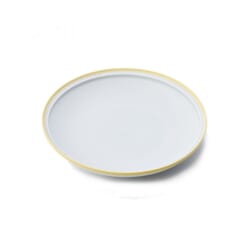


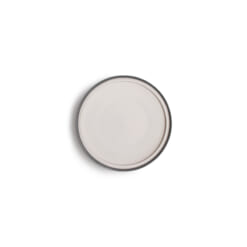

The hand-painted finish may vary slightly from piece to piece.
The matte texture is created by sandblasting, followed by a treatment to help resist staining.