
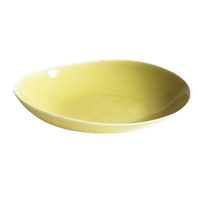
 Våg
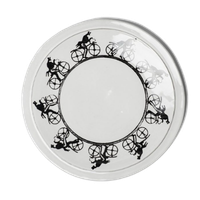 Mulet
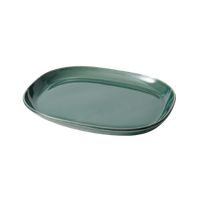 Torg
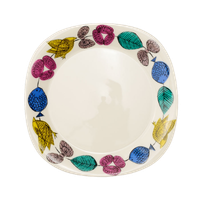 Cirkus
 Frost
 Fajans
 bitte
 Glänta
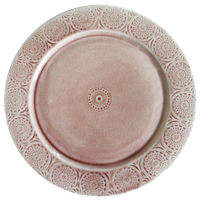 Ståmp
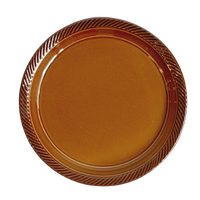 blur
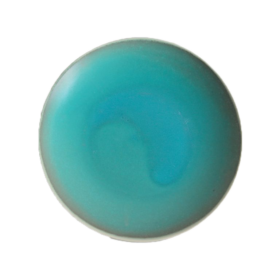 Terre
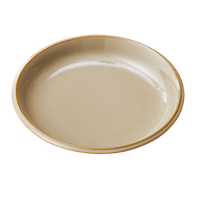 RIMs
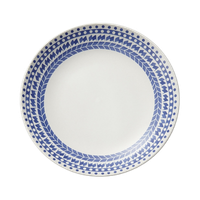 Root
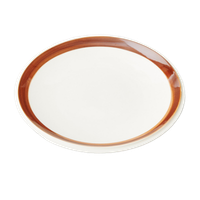 It
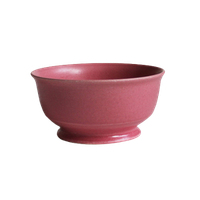 Chroma
BRAND, Teshio, Staff favourites, About Tableware, Journal
Introducing Teshio, Our Small-Plate Brand
Dec. 2017 -no.1

What exactly is a mamezara?
Mamezara are palm-sized plates, typically around 9 cm in diameter. They are useful for a small side dish, a sweet or even a little personal accessory. One account traces their origin to teshiozara, small dishes of salt used for ritual purification at the dining table. That story inspired the name of POTPURRI's new brand, Teshio.
We are introducing two shapes: Mitsukumo and Sazanami.
Mitsukumo is a flat small plate that presents sweets, side dishes and pickles beautifully. Sazanami has enough depth for beans and dishes with a little liquid. We visit the Tokyo workshop where Teshio began to see how these two designs took shape.
From a design to a three-dimensional form

[Clay models: Sazanami / Mitsukumo]
We begin with a lump of clay, making a model to determine the size and shape.
For Mitsukumo, we imagined a dish that could be enjoyed from any direction, like clouds continually changing shape in the wind or a full moon partly hidden between them.
Sazanami began with a pattern inspired by ripples washing onto a shallow beach. Its rounded, deeper shape holds small foods such as sweetened beans, making them easier to pick up.
Once we decide on the direction of the shape, we make prototypes to explore the relationship between clay and glaze and determine the production method.
For these trials, we used three types of clay and several glazes, forming the prototypes from sliced clay slabs in a technique called tatara. Can you see the differences in their colors and textures?

• Is the balance between the relief and the glaze right?
• Has the piece fired into the shape we intended?
• Do the character of the plate and the glaze work well together?
We consider these three points, along with how to produce the pieces in quantity while maintaining a consistent quality.
We chose the white porcelain clay shown in the front row of the prototype photograph because it brings out the glaze colors clearly. But cutting this clay with a blade tended to leave unwanted notches along the edge. We therefore decided to make these small plates using molds and the technique of slip casting.
From making the mold to making the plate
Many people can picture a potter's wheel, but slip casting is quite a different way of forming a piece. Liquid clay is poured into a plaster mold and allowed to firm up. Molds make it possible to produce pieces with relatively consistent shapes and quality.
Even with molds, many details still depend on handwork, from mixing the slip to finishing the rims and applying the maker's mark.
First, we make a casting mold.
Ceramics shrink considerably as they become denser during firing. We calculate this shrinkage when drawing the plans for the mold, then make a master plate to match the drawings.


We build a surround around the master plate and pour in liquid plaster to make the casting mold. Much of this process is delicate handwork. Even a mold made precisely to the drawings may not produce the expected result when slip is poured into it. We made many adjustments, sometimes going back to remake the master plate itself.
With the mold ready, casting can begin. We secure its upper and lower halves and pour liquid porcelain clay, or slip, through a small casting opening. Leaving plenty of slip in the attached bottle helps it reach every corner of the mold.

After five minutes, we remove the bottle and wait about another hour, allowing the slip remaining inside the plaster mold to firm up.
Slip casting takes advantage of plaster's ability to absorb water. If a mold has not dried properly, the plate may not release cleanly, and forcing it out can distort the shape. Each use adds moisture to the plaster and reduces its ability to absorb more, so the resting time after pouring and the number of casts must be adjusted accordingly.

Once the piece is removed, we tidy the small projection left by the casting opening and let it dry. We then refine the rim and allow it to dry further.

The pieces are bisque-fired at about 800°C, then glazed and fired again. We apply the glaze as evenly as possible.


The blue and green glazes used here tend to flow during firing. They become paler around the upper rim, while deeper color gathers near the foot on the underside and toward the center of the plate. The resulting shades have a beautiful, cloudlike quality.
After the final firing, we smooth the foot so that it will not scratch the table. The plate is then checked for defects such as flaking glaze or cracks before it is finished.


Bring a lively, festive touch to the everyday table
Even familiar side dishes or prepared foods feel thoughtfully presented when served in small portions on individual plates. For New Year dishes such as sweet black beans or chestnut-and-sweet-potato mash, a small plate makes each serving clear and easy for guests to enjoy. The plates themselves also add color and a festive note to the table.
It is useful to have several small plates when people gather over the New Year holidays. With their motifs drawn from nature, Mitsukumo and Sazanami also make thoughtful wedding or housewarming gifts.
The name Teshio recalls a small dish traditionally associated with ritual purification at the dining table. Why not make these little plates part of your New Year celebration?


