
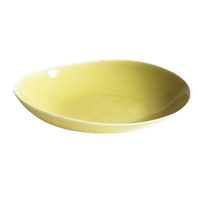
 Våg
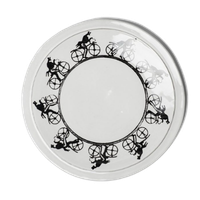 Mulet
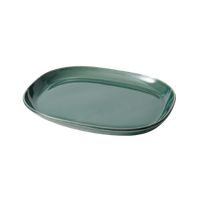 Torg
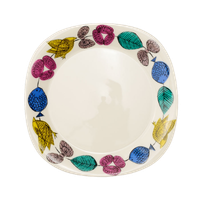 Cirkus
 Frost
 Fajans
 bitte
 Glänta
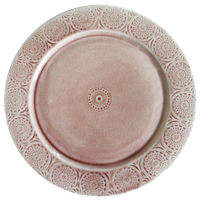 Ståmp
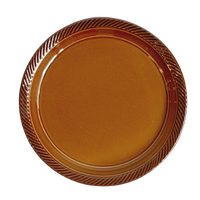 blur
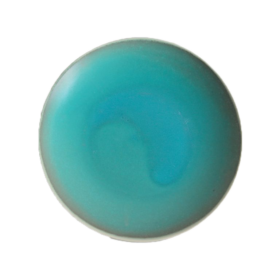 Terre
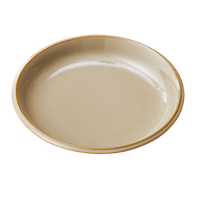 RIMs
 Root
 It
 Chroma
BRAND, POTPURRI, Staff favourites, About Tableware, Journal
A Rainy-Day Tea Break: Choosing a Cup You Will Enjoy
June. 2020
In the rainy season, gray skies and changing temperatures can make a quiet break feel particularly welcome. A warm tea is one way to enjoy that moment.
Here, we explore the pleasures of a tea break, the qualities of a comfortable teacup, Ståmp cups and saucers, and a few simple principles for brewing black tea.

June. 2020
Contents
1. The pleasure of a tea break on a rainy day
2. What makes a comfortable teacup?
3. Ståmp cups and saucers for a colorful tea break
4. A few principles for brewing a good cup
5. A final thought

The pleasure of a tea break on a rainy day
A warm drink may not be everyone's first choice on a humid day, but if you enjoy it, a cup of tea can offer a quiet, comfortable break.
When the day feels dull or hurried, a warm cup of tea can be an inviting reason to pause.
Small pleasures to enjoy at teatime
• Time to enjoy the aroma
Taking time to notice tea's aroma can be a pleasant pause. Black tea contains caffeine, however, and is not a sleep aid. If caffeine affects your sleep, choose a caffeine-free drink for an evening break.
• A moment to pause
Preparing the leaves, waiting for the brew and sitting down with a cup creates a short pause in a busy day.
• A companion to a small snack
Pair the tea with a small sweet or savory snack you enjoy, and let its flavor be part of an unhurried break.
• A warm, comforting drink
Rainy weather can make a day feel slow and gray. The warmth and aroma of a favorite tea offer a small change of pace.
• A familiar daily ritual
A familiar cup and a simple brewing routine can become something to look forward to each day.
Enjoy tea for its flavor and the ritual of making it; it should not be relied on for weight loss, sun protection or illness prevention.
The cup is part of that pleasure too. In the next section, we look at the details that make one comfortable to use.

What makes a comfortable teacup?
What qualities make a cup especially pleasant for drinking tea?
A mug is convenient, but trying a different cup can reveal another way to enjoy the tea's color, aroma and feel.
Qualities to look for in a teacup
• An opening that lets hot tea cool before sipping
• Room to enjoy the tea's color and aroma
• A shape that is comfortable to hold
With these qualities in mind, a low cup with a wide opening is a popular choice for black tea.
The familiar cup-and-saucer pairing developed through the history of tea drinking in Europe, with forms and habits changing over time.
Early European tea drinkers often used handleless bowls. Deep saucers were sometimes used to cool and sip tea, though customs varied by place and period. The modern cup and saucer grew through many such changes in use.

Over time, changing habits and the wish for a comfortable grip helped shape the handled cups familiar today.
The cup and saucer brings together a long history of enjoying tea with a form that is still useful today.

The Stamp cup and saucer bring colour to tea time
Alongside practical qualities, a teacup's appearance helps create the mood of a tea break.
Ståmp is one of POTPURRI's more decorative collections, created with teatime in mind. The cup and saucer received particular attention to how tea looks and feels when enjoyed from it.
Features of the Ståmp Cup & Saucer

• A form suited to enjoying tea
Many prototypes were made to refine the low shape, wide opening, drinking edge, handle and the way the tea cools.

• Warm-textured semi-porcelain that feels at home in the hand
Semi-porcelain combines clay and stone-derived materials and is fired at around 1,200–1,300°C. It brings together a relatively dense body and a softer-looking surface. The result has a warm, comfortable feel in the hand.

• A glaze that sets off the color of the tea
The glassy glaze changes subtly with firing, giving each piece its own expression. Fine crazing within the glaze catches the light and adds depth to the color. This is a glaze characteristic, distinct from a crack through the ceramic body.

• Impressed patterns that bring depth to the glaze
Inka is a technique of pressing a carved stamp into clay to make a pattern. Translucent glaze gathers in the impressions, bringing depth and a glossy finish to the design.

・A choice of colors for the table
Four colors were offered in this feature: white to show the tea's natural color, vivid blue, gentle pink and warm brown.

A few principles for brewing a good cup
Finally, here are a few traditional principles for brewing black tea. Small adjustments can make a noticeable difference, so try them with your favorite leaves.
Simple principles for brewing black tea
1. Choose good-quality tea leaves.
Tea loses aroma over time. Choose fresh leaves that have been stored well.
2. Use fresh drinking water.
The taste and mineral content of water affect the finished tea. Fresh, good-tasting water with relatively few minerals is a useful starting point; choose filtered or low-mineral bottled water if it gives a better result than your local tap water.
Water supplies vary, so try the options available to you and choose the one whose flavor you prefer in the finished tea.
3. Use freshly boiled water for most black teas.
Most black teas brew well with freshly boiled water. Once the water reaches a boil, pour it carefully into the warmed pot; there is no need to keep it boiling for a long time.
4. Warm the teapot before brewing.
A cold teapot lowers the brewing temperature. Warm it with hot water, then empty it before adding the leaves.
5. Measure the tea and water.
As a starting point, use about one teaspoon of leaves, roughly 2–3 g, for 150–160 ml of water. Pour carefully so that the leaves have room to move and unfurl. Follow the tea producer's guidance where it differs.
6. Allow the tea to steep for the right time.
Cover the pot after adding water and allow the tea to steep. About 2½–3 minutes is a starting point for some black teas, but the ideal time varies. Check the instructions supplied with the leaves.

A final thought
A tea break is a simple everyday pleasure. Here, the focus is on taste, comfort and the tableware that makes the moment enjoyable.
Choose a cup and saucer you enjoy, try these simple brewing ideas, and make teatime a little source of color in your day.


