
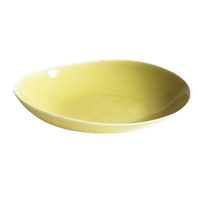
 Våg
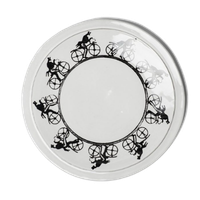 Mulet
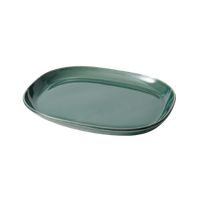 Torg
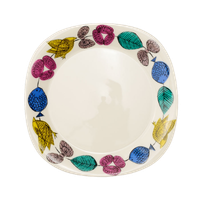 Cirkus
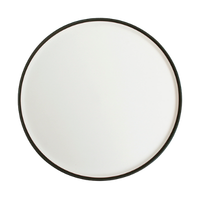 Frost
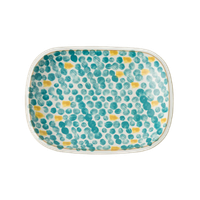 Fajans
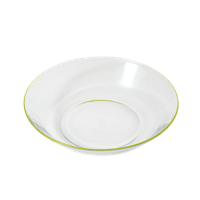 bitte
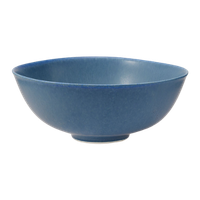 Glänta
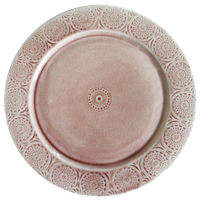 Ståmp
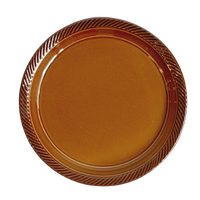 blur
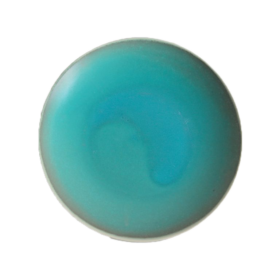 Terre
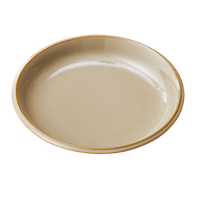 RIMs
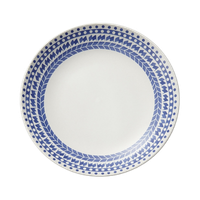 Root
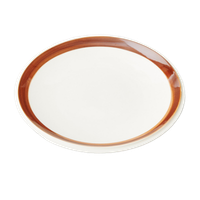 It
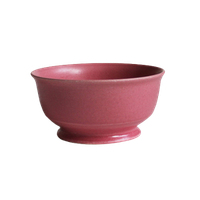 Chroma
BRAND, POTPURRI, SELECT, Staff favourites, About Tableware, Journal
Design That Brightens a Rainy Day
May. 2018 -no.1

The umbrella waiting by the door gave me a reason to look forward to the rain.
On a rainy day, a glance toward the door reveals an umbrella I actually want to pick up. That was why, in my thirties, I stopped relying on disposable clear umbrellas. As the sunlight grew stronger ahead of the rainy season, I took a fresh look at this familiar tool, whose basic form has stayed beside us for so long.

Making everyday life more beautiful through design
Rain or strong sunshine can make going out feel like a chore. A beautiful umbrella can change the mood. Stig Lindberg was one of Sweden's leading designers of the mid-twentieth century. His work ranged from tableware and textiles to individual art pieces, helping shape the image of Scandinavian design that remains familiar today. Makita Shoten's umbrellas translate his designs into richly woven fabric. Their subtle colors and sheen bring an elegant accent to everyday clothing. Fine patterns, woven in jacquard from pre-dyed yarn, are beautiful on the underside too. POTTERY brings together intricately patterned vessels, while FRUKTLADA fills its surface with fruit, each given a different treatment. Decades after they were drawn, Lindberg's designs still catch the eye.

How a handmade umbrella takes shape
These umbrellas are made by Makita Shoten, a longstanding Koshu textile maker in Yamanashi. The company carries forward the fine weaving skills of kaiki silk, once admired in Edo, using yarn dyed with water from the Mount Fuji region to weave its jacquard fabrics. The collaboration grew out of a shared milestone in 2016: Makita Shoten's 150th anniversary and the centenary of Lindberg's birth. From a single thread to an umbrella Makita Shoten combines inherited techniques with a willingness to create something new. Under supervision from Lindberg's family, repeated weaving trials brought the original designs into the fabric itself. The patterns are beautiful from inside the umbrella as well as outside. The UV-treated umbrellas can also provide shade on sunny days. Repair options may help extend their working life; contact the maker about the model and repair needed. It is an object to enjoy looking at and to care for through years of use.
Fajans in May
Like Makita Shoten, POTPURRI has drawn inspiration from Lindberg's designs. We developed our own techniques to make individually hand-painted tableware with a related sense of warmth and color. Traditional European faience has a soft, warm appearance. Lindberg brought vivid patterns to that surface, creating some of his best-known work. Those historic pieces, however, were not designed for the demands of a modern kitchen. Through ten years of research into clay and glaze, POTPURRI developed Fajans: a collection that retains a soft faience-like appearance while being suitable for the microwave and dishwasher. Its bright patterns take their cue from nature within the city. Drawn from the richness of ordinary surroundings, Fajans brings color and a cheerful note to everyday meals.

JPY 3,850 (incl. tax)

JPY 6,600 (incl. tax)

Out of stock
JPY 8,800 (incl. tax)

JPY 6,600 (incl. tax)

JPY 3,850 (incl. tax)

JPY 7,700 (incl. tax)

JPY 2,750 (incl. tax)

JPY 5,500 (incl. tax)

JPY 13,200 (incl. tax)

JPY 5,500 (incl. tax)